It used to be a joke — the kind of conspiracy meme you’d scroll past with a smirk: “What if that fly on the wall is actually recording you, or perhaps it’s one of the new insect-sized Drones?”
A few years ago, nobody would’ve taken the idea seriously. A buzzing insect as government tech? Too small. Too wild. Too sci-fi.
But here we are. The laughter has quieted. The prototypes are real. And the future is beginning to look eerily familiar to the fiction we once dismissed.
From Fiction to Research Labs
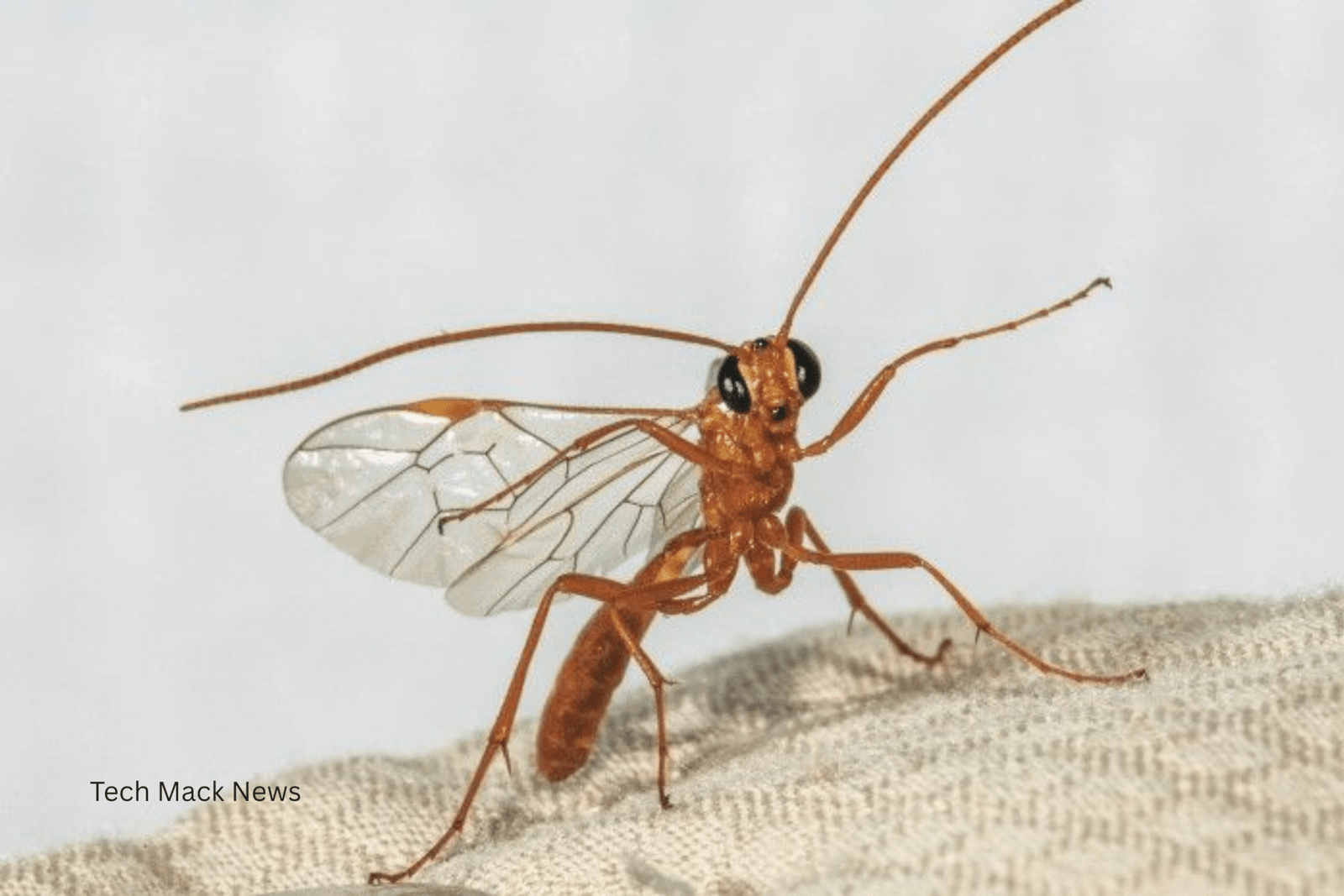
Walk into certain engineering labs today and you’ll find machines that look less like drones and more like biological impostors. Not propellers. Not carbon-fibre arms. But wings — thin, electric, precise.
Some are shaped like dragonflies. Others mimic moths or beetles. Their frames are feather-light, their movements jittery and unpredictable, just like real insects.
Inside these tiny bodies live astonishing layers of engineering:
- Cameras as small as a grain of sand
- AI-driven microprocessors
- Wireless transmitters capable of sending data kilometres away
Watching early test footage feels unsettling. The drones hover. They dart. They cling to surfaces. They change direction mid-flight with a speed that feels unnatural — until you remember: nature mastered flight long before we did. We’re just trying to catch up.
Battery life and stability are still limited. Flight time isn’t anywhere near commercial quadcopters. But progress is the quiet, relentless kind — the kind that doesn’t stop.
Why Go This Small?
Researchers and defence agencies have their list ready:
- Search-and-rescue operations where sending humans is dangerous
- Studying wildlife without disturbing natural behaviour
- Military reconnaissance in hostile zones
- Intelligence gathering in places a normal drone wouldn’t survive
And there’s a strategic advantage: stealth.
Traditional drones are loud. Visible. Obvious. But something the size of a fly? Something that blends into a garden, a building, or a crowd? That changes the rules.
A window crack becomes a doorway. A ventilation duct becomes a flight path. A human-occupied room becomes a place you enter without being seen.
The Shadow Nobody Can Ignore
As fascinating as the engineering is, there’s a darker parallel conversation happening — and it’s growing louder.
Unlike CCTV cameras or helicopters or consumer drones, these machines don’t announce themselves. There’s no noise signature. No blinking LED. No visible presence.
They watch — invisibly.
So privacy researchers are asking the uncomfortable question:
If surveillance becomes impossible to detect, how do we protect the public from misuse?
Right now, cost is the only real limit. These prototypes are painstakingly custom-built. Every component is microscopic and expensive.
But we’ve seen this pattern before: Computers were expensive. Smartphones were expensive. Facial recognition was expensive.
Technology doesn’t stay rare. It scales. And when it scales, it becomes normal.
A Line We Haven’t Drawn Yet
Some people see this technology as a breakthrough — a tool that could prevent crimes, save trapped survivors, or reduce risk during dangerous missions. Others see something more dystopian: a silent erosion of privacy, autonomy, and the ability to live unobserved.
Both sides are probably right. The reality is that insect-sized drones represent more than engineering progress. They represent a shift in the balance between what we can do and what we should do.
Because the point isn’t whether we can build tech this small. We already have. The harder question — the one society will eventually have to confront — is this:
Will we set rules before these wings take flight everywhere, or only after they’re already watching?